In the world of automotive care, having the right tools is essential. A tire pressure gauge stands out as one of the most important instruments for maintaining vehicle safety and performance. Renowned tire expert, John Smith, states, “A precise tire pressure gauge is not just a tool; it’s a necessity for every car owner.”
Accurate tire pressure measurements can greatly influence fuel efficiency and tire longevity. An underestimated or overestimated tire pressure can lead to issues ranging from poor handling to increased tire wear. Despite the importance, many drivers still overlook this fundamental aspect of vehicle maintenance. Choosing the best tire pressure gauge can make all the difference in ensuring safety on the road.
The market offers various options, from digital to manual gauges. However, the selection process can be confusing. Many products may fall short of expectations. Relying on biased reviews or unfamiliar brands can lead to disappointment. Hence, it’s crucial for every driver to consider options verified by professionals in tire maintenance. Investing in a high-quality tire pressure gauge is a step every driver must reflect upon for optimal vehicle performance.
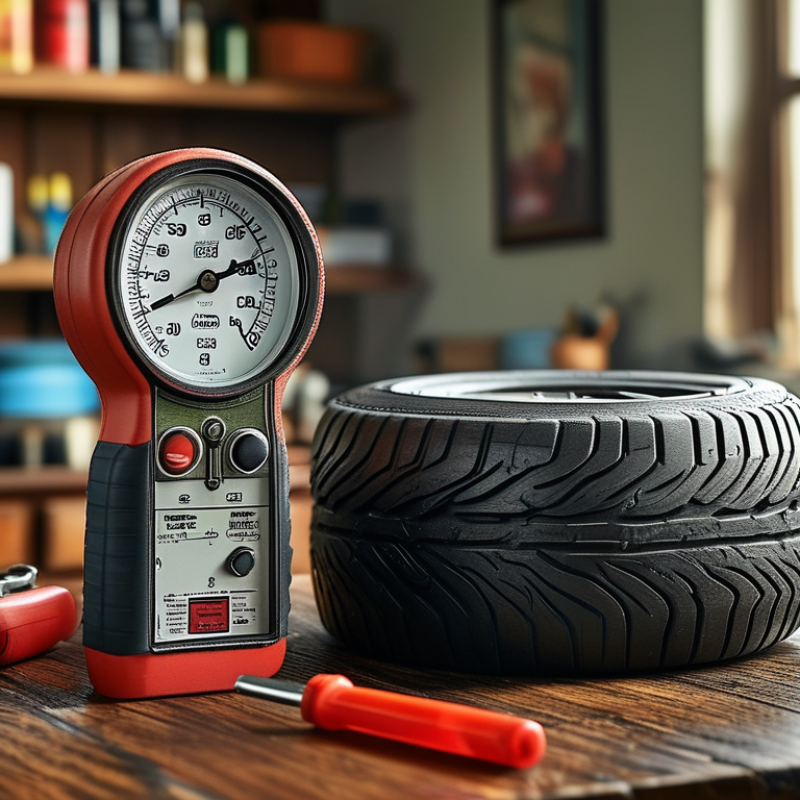
Best Tire Pressure Gauge Selection Criteria for Global Accuracy
When selecting a tire pressure gauge for global accuracy, it's crucial to consider certain criteria. Accuracy is paramount. According to the Rubber Manufacturers Association, a variance of just 1 psi can lead to 10% reduced fuel efficiency. This highlights the need for precision in selection.
Calibration is another key factor. Gauges must be regularly calibrated to ensure dependable readings. Material and design impact durability significantly. Digital gauges often offer faster readings, while analog models are often preferred for their simplicity. However, digital versions can malfunction without warning. User-friendliness is also essential. A gauge should provide easy-to-read measurements, even in low-light conditions.
Many users overlook the importance of range. A gauge that covers a wide psi range (from 0 to 60 psi) offers versatility for various vehicles. Some gauges, though accurate, may become inconsistent with wear and tear. Regular checks against known standards can ensure ongoing reliability. Investing in a quality device may save money on fuel and maintenance in the long run.
Types of Tire Pressure Gauges: Digital vs. Analog Variants
When it comes to measuring tire pressure accurately, the choice between
digital and
analog gauges is essential.
Digital tire pressure gauges are known for their ease of reading and precision.
They display measurements in clear numbers, making it simple to see the pressure at a glance.
Many models also have features like
backlighting or
automatic shut-off, adding convenience for users.
On the other hand, analog gauges offer a different experience.
They rely on a dial and needle to indicate pressure. Some users prefer this tactile feel and the lack of batteries.
Analog gauges can be more durable in harsh environments, but they may require
recalibration over time. The readings can sometimes be harder to interpret quickly, leading to potential misjudgments.
In reflecting on both types, neither is perfect.
Digital gauges can fail unexpectedly, while
analog ones may yield less precise measurements.
It’s crucial to consider personal preferences and the specific needs of each vehicle when making a choice.
Finding the right tire pressure gauge can enhance safety and vehicle performance,
as improper tire pressure may lead to accidents or increased fuel consumption.
How to Use a Tire Pressure Gauge Correctly for Precise Readings
Understanding how to use a tire pressure gauge is crucial for vehicle maintenance. Proper tire pressure affects fuel efficiency, safety, and tire lifespan. According to industry reports, approximately 35% of vehicles are driven with under-inflated tires. This leads to increased wear, reduced performance, and higher fuel costs.
To achieve precise readings, start by checking the tire when it’s cold. Tires heat up during driving, which can inflate pressure readings. Insert the gauge firmly onto the valve stem. A hissing sound may indicate air escaping; reapply quickly. Read the measurement immediately for accuracy. Maintaining the recommended psi, usually found in the owner’s manual or door jamb, keeps the vehicle performing optimally.
Tips for using a tire pressure gauge include ensuring the gauge is calibrated. A poorly calibrated gauge can lead to incorrect readings. Regular checks, ideally every month, help catch issues early. Also, consider the climate; temperature changes can affect tire pressure. A drop of 1 psi occurs for every 10-degree Fahrenheit decrease. Stay proactive about tire maintenance.
Best Tire Pressure Gauge for Accurate Measurements Worldwide
This chart demonstrates the average tire pressure readings in different regions across the globe measured in PSI (Pounds per Square Inch). Accurate tire pressure is essential for safety and fuel efficiency.
Top Recommended Tire Pressure Gauges: Features and Reviews
When it comes to maintaining proper tire pressure, having a reliable tire pressure gauge is essential. Accurate readings help extend tire life and enhance fuel efficiency. There are various types of gauges in the market, each with unique features that cater to different needs. Digital gauges are popular for their ease of use and precision, while analog models are favored for their simplicity and durability.
Consider the design and visibility of your gauge. A well-lit display helps during nighttime checks, while a sturdy build can withstand rough handling. Some gauges come with a built-in tire inflator, increasing their functionality. However, not all gauges deliver consistently accurate readings. Calibration is key—the best gauges maintain precision over time. Users have shared mixed reviews, highlighting calibration frustrations with certain models.
Ultimately, the right gauge balances accuracy, user-friendliness, and durability. While many options exist, careful selection ensures a reliable tool. Research and user feedback are vital in identifying trustworthy products. Choose wisely for your safety on the road.
Maintaining and Calibrating Your Tire Pressure Gauge for Best Results
Maintaining and calibrating your tire pressure gauge is essential for accurate measurements. Reports indicate that improper tire pressure can reduce fuel efficiency by up to 3%. It's clear that small errors can lead to significant consequences. A well-calibrated gauge ensures that you maintain optimal tire pressure, which improves performance and safety.
Regular checks should be a priority. Many experts recommend calibrating your gauge every six months. Even slight deviations in pressure can impact tire wear and vehicle handling. Visual inspection for dirt or damage is crucial too, as these can lead to inaccuracies. If your gauge consistently reads low or high, it may be time for a replacement.
Temperature can affect readings as well. Tire pressure decreases by about 1 PSI for every 10°F drop in temperature. Keeping this in mind, check your tire pressure during the same conditions when you inflate them. After adjustments, give the gauge a moment to stabilize before taking a new reading. These steps ensure you get the most precise and reliable results from your tire pressure gauge.
FAQS
: Regularly checking tire pressure enhances fuel efficiency and ensures safety while driving.
Always check tire pressure when the tires are cold for accurate readings.
If you hear a hissing sound, quickly reapply the gauge to prevent air loss.
Experts recommend calibrating your gauge every six months for accurate measurements.
A poorly calibrated gauge can provide incorrect readings, leading to under-inflated tires.
Tire pressure drops about 1 PSI for every 10°F decrease in temperature.
Improper tire pressure can reduce fuel efficiency by up to 3%, impacting costs significantly.
Inspect for dirt or damage and calibrate regularly to maintain accuracy.
If readings are consistently off, consider replacing the tire pressure gauge.
Read the measurement immediately to ensure it reflects the true tire pressure.
Conclusion
In the quest for safe driving, maintaining proper tire pressure is crucial, and a reliable Tire Pressure Gauge is an essential tool for achieving accurate measurements. This article outlines the selection criteria for choosing the best tire pressure gauges with a focus on global accuracy. It distinguishes between digital and analog variants, helping users understand the advantages of each type.
The guide further details how to correctly use a Tire Pressure Gauge to ensure precise readings and recommends top-rated models based on their features and user feedback. Additionally, it emphasizes the importance of regularly maintaining and calibrating your Tire Pressure Gauge to achieve the best results over time. With the right gauge and proper usage, drivers can enhance their vehicle's performance and safety.

 MOZEN
MOZEN